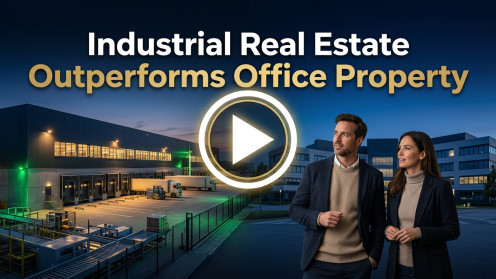
Industrial real estate is proving its resilience compared to office property, especially as we look ahead to 2026. E-commerce, reshoring, automation, and the need for last-mile logistics are strengthening the investment outlook for industrial assets, while the office sector continues to wrestle with fundamental shifts. Hybrid and remote work trends are keeping traditional office demand subdued, leading to significant vacancies—many landlords are now navigating how to reposition older buildings. Notably, premium Class A office spaces are faring better, attracting tenants seeking modern, collaborative amenities, while legacy properties face increased pressure for reinvention.
Industrial properties, particularly those near consumers or major transportation corridors, are capturing the upswing from online shopping and supply-chain adjustments. The push for warehouse automation is only adding to this momentum. A key factor for investors: over $930 billion in CRE debt is maturing in 2026, which is amplifying refinancing challenges but also opening doors to selectively acquire distressed assets—especially for those considering redevelopment or adaptive reuse strategies.
This evolving landscape is driving demand for specialized advisory services and property-management technology. Whether you’re a new property owner, an experienced operator, or a construction-focused entrepreneur, understanding the nuances of rent roll optimization and capital expense discovery is essential to unlocking true asset performance and finding a clear, predictable path toward your investment goals.
Leave a Reply